

How to Get a Commercial Driver’s License in Texas – Step-by-Step Guide
 EMILY
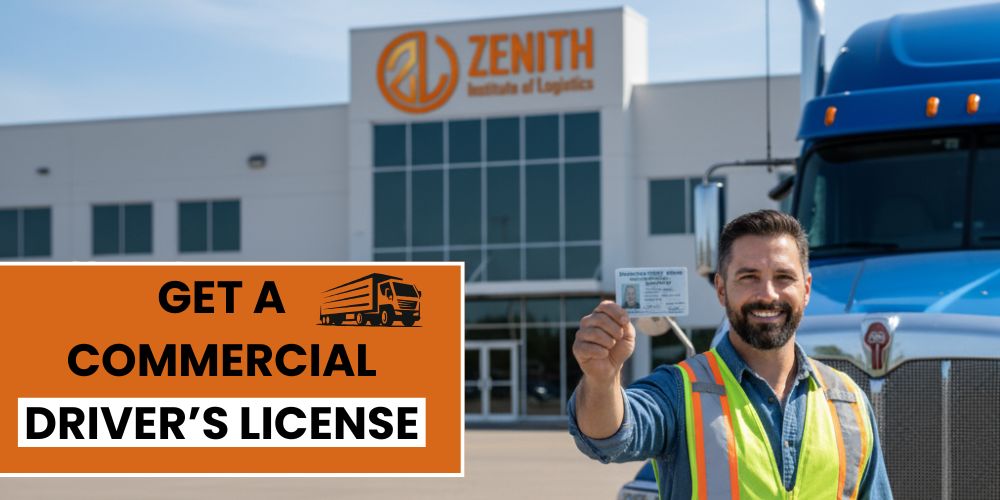
EMILY If you’re planning to start a trucking career in Texas, getting a Commercial Driver’s License (CDL) is the most important first step. A CDL allows you to legally operate commercial vehicles such as semi-trucks, buses, and heavy-duty transport vehicles—and opens the door to stable, well-paying jobs across the transportation industry.
This complete guide explains how to get a CDL in Texas, including requirements, costs, timelines, and why professional CDL training in Houston can help you succeed faster
What Is a Commercial Driver’s License (CDL)?
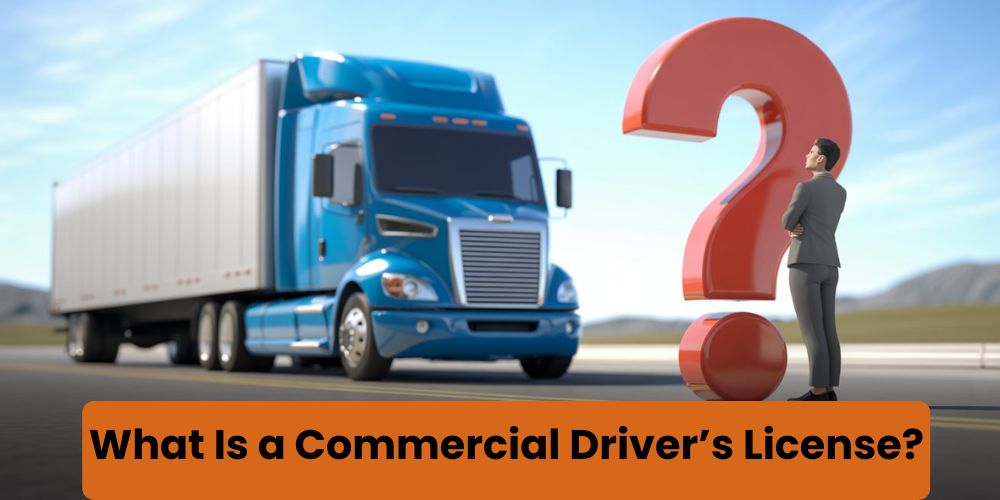
A Commercial Driver’s License (CDL) is a government-issued license that certifies a driver is qualified to operate large or heavy commercial motor vehicles. CDL holders must meet strict safety, knowledge, and driving skill standards to ensure safe operation on public roads.
Commercial Driver’s License Requirements
To apply for a commercial driver’s license, you’ll need to meet several eligibility criteria and documentation requirements:
- Be at least 18 years old (21 for interstate driving)
- Hold a valid non-commercial driver’s license.
- Provide proof of identity, residency, and citizenship or legal presence.
- Pass a medical examination and obtain a DOT Medical Certificate.
- Maintain a clean driving record.
These requirements ensure you’re fit and legally qualified to operate commercial vehicles safely.
Steps to Get a Commercial Driver’s License in Texas

Getting your CDL involves several structured steps designed to prepare you for real-world driving.
Step 1: Review CDL Requirements
Start by reviewing CDL rules set by the Texas DPS. Confirm age limits, medical standards, and licensing eligibility.
Step 2: Study the CDL Manual
Get a copy of your state’s CDL manual from the DPS website or office. It includes everything you need to know about vehicle operation, safety regulations, and test formats.
Also read: How to Prepare for the CDL Written Test.
Step 3: Obtain a Commercial Learner’s Permit (CLP)
Before you can drive a commercial vehicle, you must get a Commercial Learner’s Permit. To qualify, you’ll need to pass written knowledge tests on general trucking, air brakes, and combination vehicles (for Class A).
According to the FMCSA, you must get a Commercial Learner’s Permit (CLP) and pass the tests to earn your CDL.
Step 4: Enroll in a CDL Training Program
Professional CDL training gives you hands-on experience with real commercial vehicles. At Zenith Institute of Logistics, students receive:
- Classroom instruction
- Behind-the-wheel driving practice
- Pre-trip inspection training
- Road test preparation
This structured training greatly improves pass rates and job readiness.
Step 5: Practice Driving With Your CLP
Use your learner’s permit to practice driving under the supervision of a licensed CDL holder. This helps you gain confidence in handling commercial vehicles safely.
Step 6: Pass the CDL Skills Test
Once you’re ready, schedule your CDL skills test, which includes:
- Pre-trip inspection – demonstrating your knowledge of vehicle safety checks
- Basic control skills test – showing how you handle maneuvers like backing, turning, and parking
- On-road driving test – proving you can safely operate a commercial vehicle in traffic
Step 7: Receive Your CDL License
After passing the skills test, you’ll receive your Commercial Driver’s License from the DPS. You can then start applying for jobs or advance your training with endorsements for specialized driving, such as hazardous materials or passenger transport.
How Long Does It Take to Get a CDL?
Most CDL training programs take 4 to 8 weeks, depending on the schedule and course structure.
- Full-time programs: Faster completion
- Part-time programs: Flexible but longer duration
Professional CDL schools help students complete training efficiently while meeting all state and federal requirements.
How Much Does It Cost to Get a CDL?
CDL costs vary based on training and testing fees. Typical expenses include:
- CDL permit and license fees
- Medical exam costs
- CDL training tuition
- Endorsement fees (if applicable)
While self-study may seem cheaper, professional CDL training often saves time, reduces test failures, and improves job placement opportunities.
Why Choose Professional CDL Training in Houston?
Choosing a certified CDL school like Zenith Institute of Logistics offers key advantages:
- Experienced instructors
- Modern training vehicles
- High CDL test pass rates
- Job-focused training
- Local Houston industry connections
Professional training prepares students not just to pass the test, but to succeed on the road.
Job Opportunities After Getting a CDL in Texas
Texas has one of the strongest trucking job markets in the U.S. CDL holders can work as:
- Long-haul truck drivers
- Local delivery drivers
- Bus and transit drivers
- HazMat or tanker drivers
With experience and endorsements, many drivers earn competitive salaries and long-term career stability.
Final Thoughts
Getting a Commercial Driver’s License in Texas is a clear, achievable process when you follow the right steps and train with the right support. From meeting eligibility requirements to passing the CDL skills test, each stage prepares you for a stable and rewarding trucking career. The fastest and most reliable way to move forward is by enrolling in a professional CDL training program that offers hands-on driving experience and test preparation. Zenith Institute of Logistics provides complete CDL training in Houston, helping students build real-world skills, earn their license with confidence, and take the next step toward a successful career in the trucking industry.
Recommended Posts

Automatic vs Manual Trucks: Which Should CDL Students Learn?
January 6, 2026
Online vs In-Person CDL Training: Pros and Cons
September 19, 2025