

CDL School vs Company Paid Training: Which Is Better for New Drivers?
 EMILY
EMILY Starting a trucking career can open the door to stable income, travel opportunities, and long-term career growth, but one of the first major decisions new drivers face is choosing between a private CDL school and company paid CDL training.
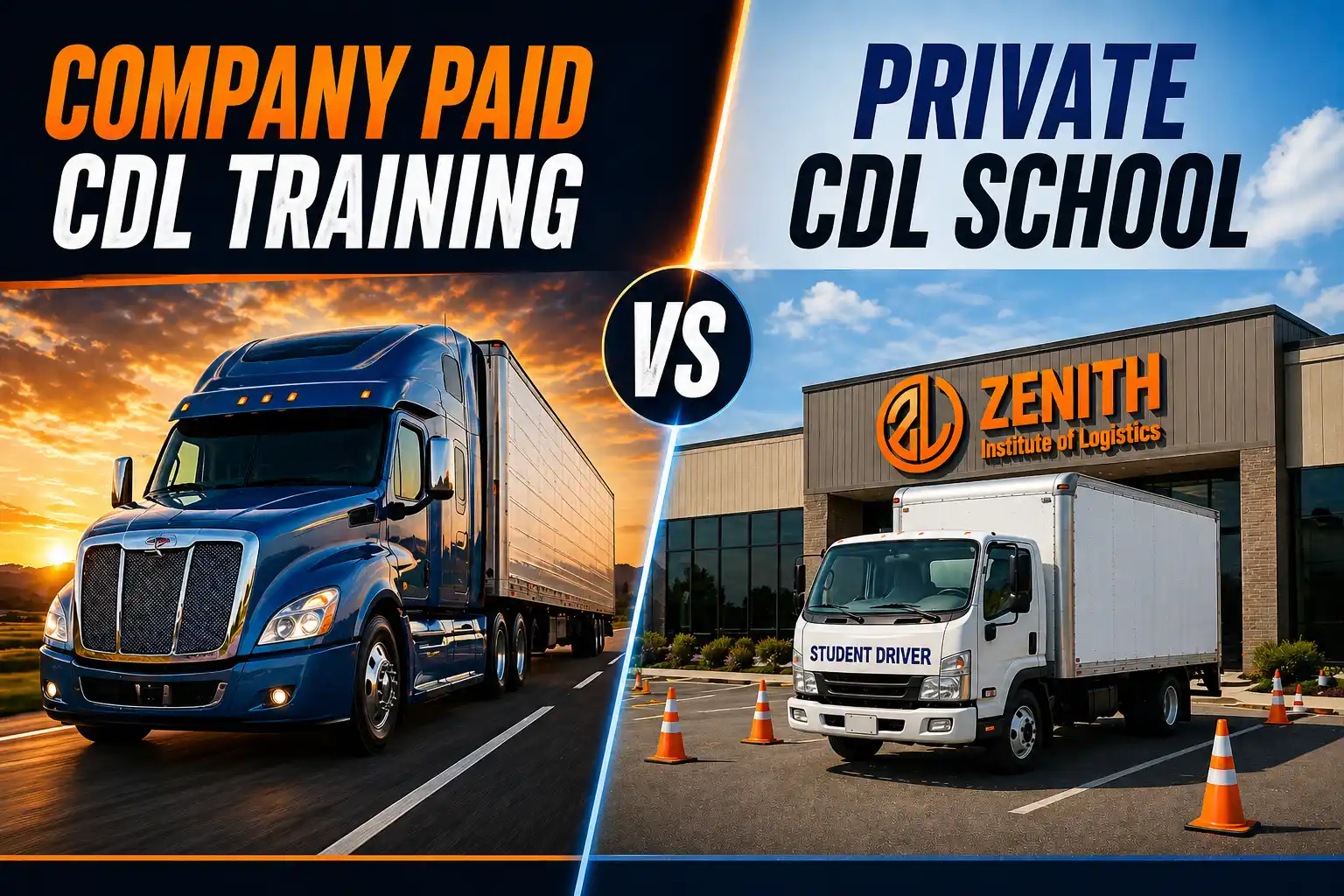
While company-sponsored CDL programs help students enter the trucking industry with little or no upfront tuition cost, professional CDL training schools often provide greater flexibility, more personalized instruction, and broader job opportunities after graduation.
Many beginner drivers choose company-paid CDL training because it reduces upfront costs and helps them start working faster. However, some drivers later realize that employment contracts can limit flexibility when searching for better routes, higher pay, or long-term career growth.
What Is a Private CDL School?
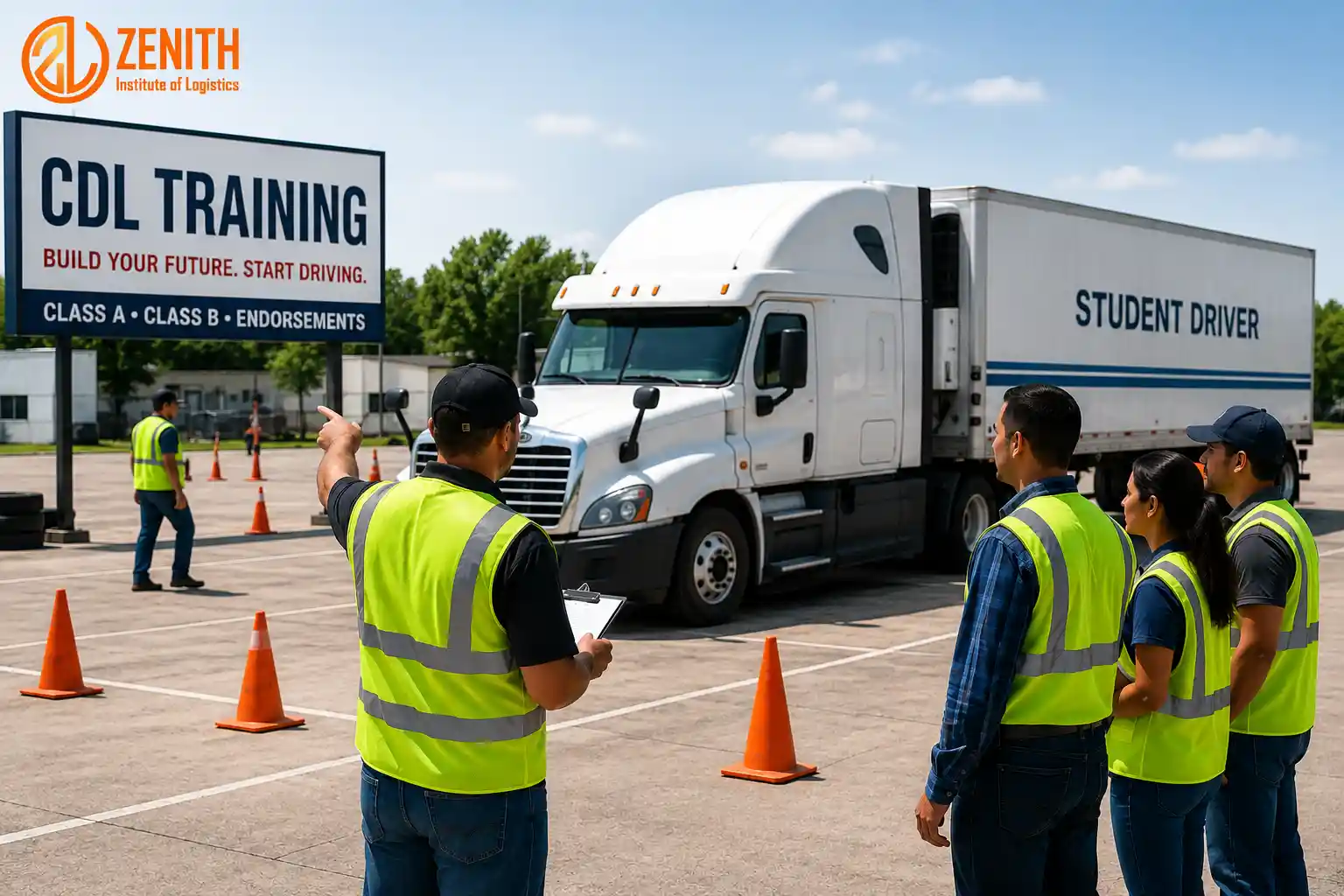
A private CDL school is an independent truck driving school where students pay tuition to receive professional CDL training. These schools focus on classroom education, hands-on driving experience, CDL exam preparation, safety training, and real-world trucking skills.
Private CDL schools are popular because they allow students to:
- Choose from multiple trucking companies after graduation
- Avoid restrictive employment contracts
- Gain flexible career opportunities
- Explore higher-paying trucking jobs
- Build long-term trucking careers
Many experienced truck drivers believe private CDL schools provide a more independent learning environment. Students often receive additional driving practice and feel more confident entering the job market because they are not tied to a single carrier immediately after graduation.
What Is Company Paid CDL Training?

Company paid CDL training, also called company-sponsored CDL training, is a program where trucking companies cover part or all of the CDL training costs for new drivers.
In return, students usually agree to:
- Work for the sponsoring company for a specific period
- Sign an employment contract
- Accept company-assigned routes
- Follow company training guidelines
For many students with limited budgets, company-sponsored CDL training can feel like the fastest way to start earning money in the trucking industry. Some new drivers prefer this route because it allows them to begin working quickly without taking on large upfront education costs.
CDL School vs Company Paid Training Comparison

| Feature | CDL School | Company Paid Training |
| Upfront Cost | Higher | Low/Free |
| Freedom to Choose Employer | Yes | Limited |
| Contracts | No | Usually Yes |
| Job Placement | Flexible | Guaranteed |
| Training Quality | Often Better | Varies |
| Career Flexibility | High | Lower |
| Salary Negotiation | Better Opportunities | Limited Initially |
This comparison helps new drivers understand the major differences between professional CDL training and paid CDL training programs.
Professional CDL Training vs Company Paid Training
Professional CDL training schools are designed to help students build long-term trucking careers through structured education and hands-on driving experience. Independent CDL schools usually focus heavily on safety, driving confidence, CDL testing preparation, and career development.
Company paid CDL training programs are often designed to prepare drivers specifically for the sponsoring trucking company’s operations.
Benefits of Professional CDL Training
- Greater employer flexibility
- More comprehensive driving instruction
- Better long-term career growth
- Freedom to compare trucking salaries
- Access to multiple trucking opportunities
Benefits of Company Paid CDL Training
- Low upfront costs
- Immediate job placement
- Faster entry into trucking
- Financial accessibility for beginner drivers
Drivers who complete professional CDL training often mention that having multiple job options after graduation gives them greater confidence when starting their trucking careers. In contrast, some drivers in company-paid CDL programs appreciate the security of guaranteed employment immediately after training.
Is Private CDL Training Worth the Cost?
Many students wonder if private CDL training is worth paying for compared to company-sponsored CDL programs.
Although private CDL schools require tuition payments, they often provide:
- Better training quality
- More driving hours
- Stronger job flexibility
- Higher long-term earning potential
- Freedom from employment contracts
Although private CDL schools may require a larger upfront investment, many graduates feel the long-term flexibility is worth it. Some drivers later transition into specialized trucking fields such as Hazmat transportation or oversized freight, where additional career freedom can become a major advantage.
Company Sponsored CDL Training Pros and Cons
Before choosing a company-sponsored CDL program, it is important to understand both the benefits and limitations.
Pros
- Little or no upfront tuition
- Guaranteed employment opportunities
- Fast entry into the trucking industry
- Structured learning programs
Cons
- Employment contracts
- Limited employer flexibility
- Potential lower starting pay
- Penalties for leaving early
Some drivers are satisfied with company-sponsored CDL programs because they provide structure and a direct path into the workforce. However, others later discover that changing companies before completing the contract can lead to financial penalties or repayment obligations.
Which CDL Training Option Leads to Better Jobs?
Job opportunities after CDL training often depend on:
- Training quality
- Driving experience
- CDL endorsements
- Employer reputation
- Geographic demand
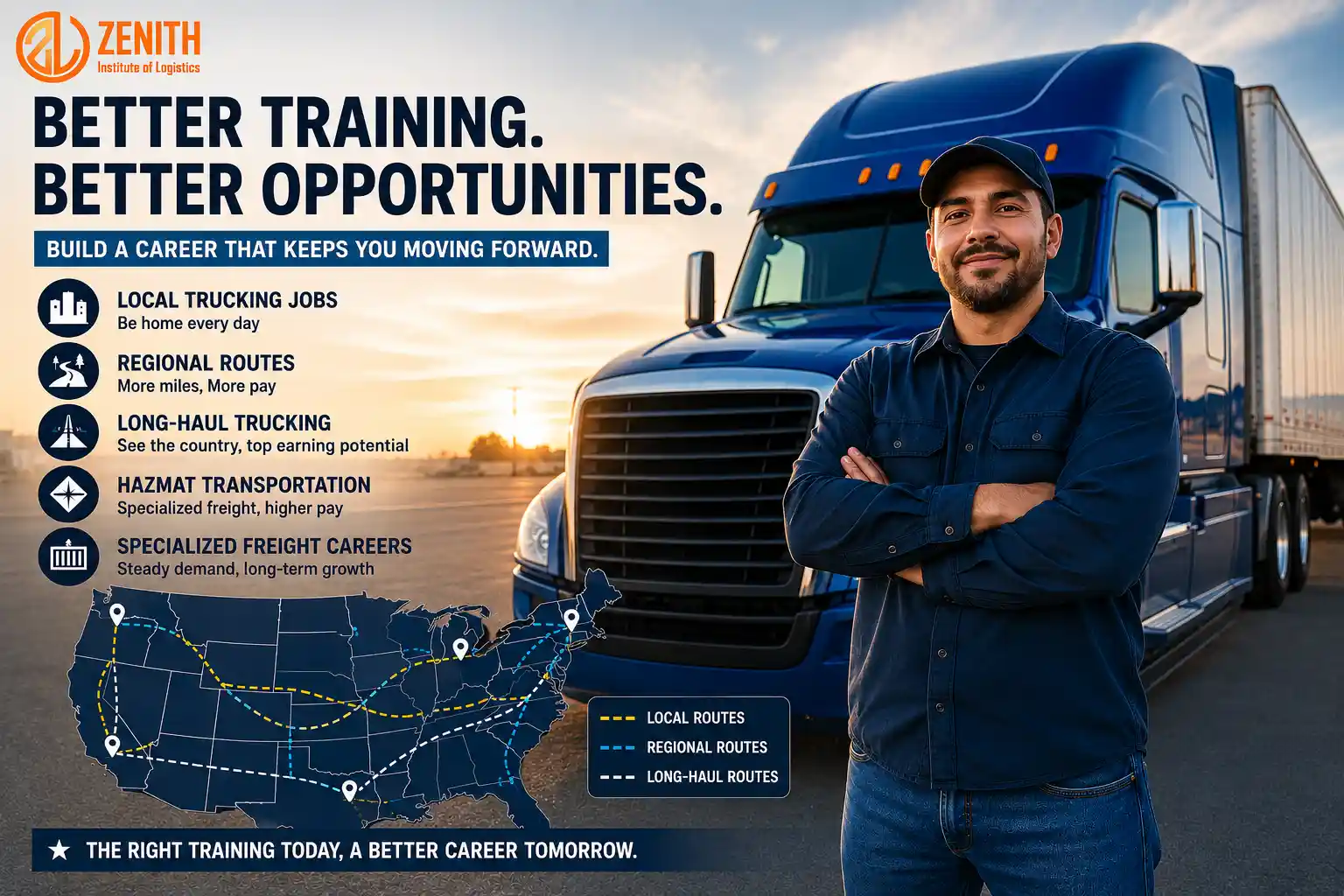
Private CDL schools frequently partner with multiple carriers, allowing graduates to pursue:
- Local trucking jobs
- Regional routes
- Long-haul trucking
- Hazmat transportation
- Specialized freight careers
Company-sponsored CDL programs typically place students directly into entry-level positions with the sponsoring carrier.
For drivers seeking greater career flexibility and long-term growth, independent CDL schools often provide broader job opportunities.
According to the American Trucking Associations, the trucking industry continues to face a driver shortage, increasing demand for qualified CDL drivers across the United States. As freight demand continues growing, trained CDL drivers may have access to strong career opportunities across multiple trucking sectors.
Experienced recruiters often value drivers who receive strong hands-on training and develop confidence behind the wheel early in their careers. This is one reason many students carefully compare CDL training quality before choosing a program.
CDL School vs Paid CDL Training Salary Comparison

One of the biggest questions beginner drivers ask is which CDL training option leads to better pay.
Although company-sponsored CDL training can help drivers start earning sooner, private CDL school graduates often have more freedom to compare employers and negotiate better salaries.
Truck driver salaries can vary based on:
- Experience level
- Route type
- Freight specialization
- CDL endorsements
- Geographic location
- Company policies
Some beginner drivers focus only on starting pay when choosing a CDL program, but experienced truckers often recommend considering long-term earning potential, route flexibility, and future advancement opportunities as well.
Factors to Consider Before Choosing a CDL Program
Before selecting a CDL training option, consider these CDL requirements :
Budget
Company paid CDL training may be better for students with limited upfront funds.
Career Goals
Private CDL schools are ideal for students seeking long-term career flexibility.
Contract Obligations
Always review company-sponsored training agreements carefully.
Training Quality
Compare driving hours, instructor experience, and student support services.
Job Opportunities
Research placement rates and trucking company partnerships.
Expert Tip
Independent CDL schools are often better for students who want flexibility and freedom to choose higher-paying trucking companies after graduation, while company-paid CDL programs are ideal for beginners with limited budgets.
Professional CDL training programs can provide stronger long-term career growth opportunities, especially for drivers planning to specialize in advanced trucking roles.
Final Thoughts

Choosing between CDL school vs company paid training depends on your budget, career goals, and preferred level of flexibility. Company-sponsored CDL programs can help beginner drivers start quickly with lower upfront costs, while private CDL schools often provide greater career freedom, stronger long-term opportunities, and better employer flexibility.
As demand for skilled truck drivers continues growing across the United States, choosing a high-quality CDL training program can play an important role in long-term career success. Students looking for hands-on CDL classes in Houston should compare training quality, driving experience, and career opportunities before selecting a CDL program.
Frequently Asked Questions
What is CDL school vs company paid training?
CDL schools charge tuition, while company-paid programs cover training costs.
Is company paid CDL training worth it?
Yes, for drivers wanting low upfront costs.
Do trucking companies pay for CDL training?
Yes, many companies sponsor CDL training.
Which CDL training pays more?
Private CDL schools may offer better long-term pay.
Is private CDL school better?
It’s better for flexibility and career growth.
Recommended Posts

Top Career Paths After Completing Class B CDL Training
February 24, 2026


How to Get Your Class A CDL in 5 Easy Steps
May 28, 2025