
What Can You Do With a CDL? Jobs, Careers, and Opportunities
 EMILY
EMILY When you think about a Commercial Driver’s License (CDL), you might picture a truck driver traveling across the country. However, a CDL can open doors to many other careers in transportation, construction, waste management, passenger transportation, and specialized freight.
So, what can you do with a CDL besides drive a semi-truck?
You can explore local delivery jobs, operate dump trucks, transport construction equipment, drive buses, work in utilities, and pursue specialized driving careers. Your options depend on your CDL class, endorsements, experience, and the type of vehicle you want to operate.
If you’re considering a CDL, I recommend starting with your career goals rather than choosing a license class simply because it seems popular. The right choice can help you find work that matches your preferred schedule, interests, and long-term plans.
In this guide, you’ll discover the different jobs you can get with a CDL, what you can drive with each license class, how much truck drivers earn, and how to start a CDL career in Texas.
What Jobs Can You Get With a CDL?
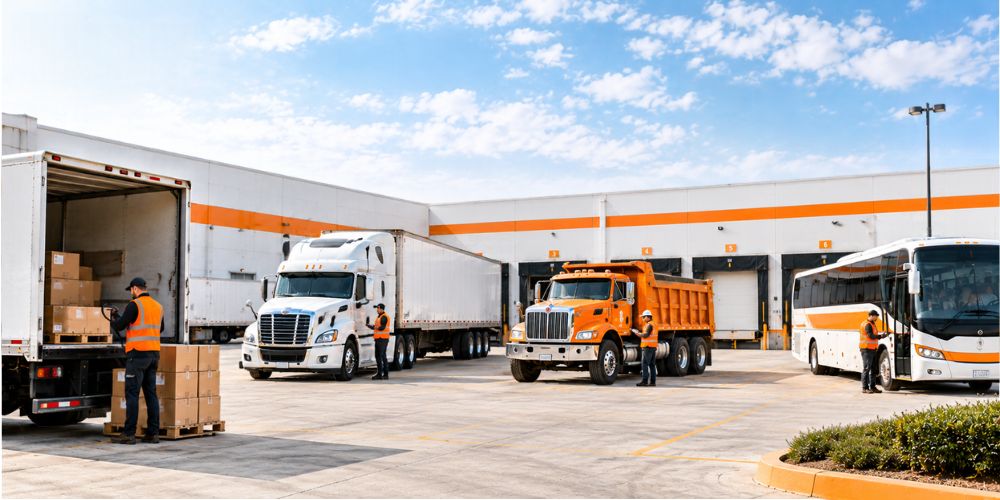
A CDL can qualify you for several types of commercial driving jobs. Depending on your license class, endorsements, and employer requirements, you may consider careers such as:
- Tractor-trailer driver
- Local delivery driver
- Regional truck driver
- Dump truck driver
- Concrete mixer driver
- Flatbed truck driver
- Tanker truck driver
- Hazardous materials (hazmat) driver
- Bus or school bus driver
- Waste and recycling truck driver
- Construction equipment transport driver
- Utility and infrastructure driver
- Heavy-duty tow truck operator
- Specialized freight driver
Not every job requires the same qualifications. For example, operating a qualifying tractor-trailer generally requires a Class A CDL, while certain heavy straight trucks can be operated with a Class B CDL. Passenger transportation and hazardous materials may also require additional endorsements.
If you want more career flexibility, I recommend comparing the jobs available in your area before deciding which CDL training program to pursue.
15 Jobs You Can Get With a CDL
1.Tractor-Trailer Driver
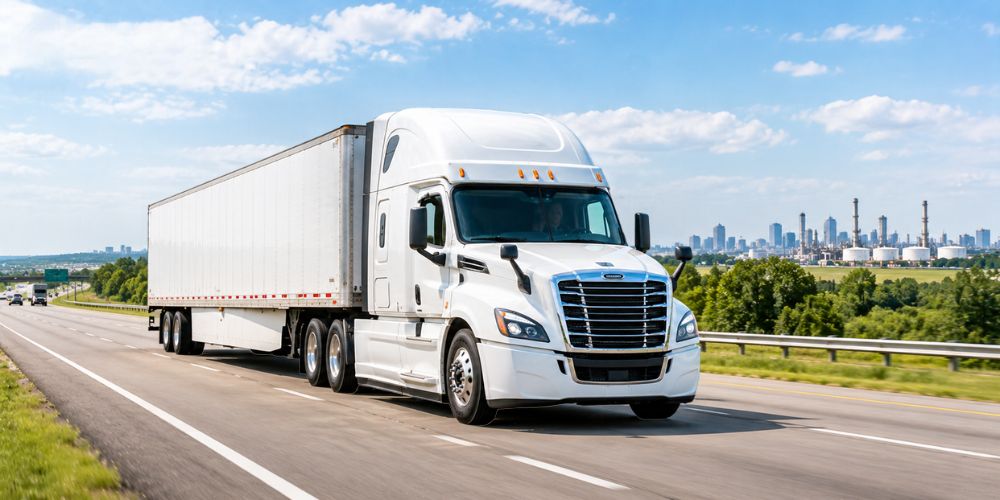
Tractor-trailer driving is one of the most recognized careers available to CDL holders. You transport freight between distribution centers, warehouses, manufacturing facilities, and other destinations.
With the appropriate Class A CDL, you can pursue opportunities in:
- Over-the-road (OTR) trucking
- Regional freight transportation
- Dedicated delivery routes
- Dry van transportation
- Refrigerated freight
- Flatbed transportation
- Specialized freight
OTR drivers often travel long distances and may spend several days away from home. Regional and dedicated drivers may have more predictable routes, depending on the employer.
Best for you if: You enjoy driving, working independently, and exploring long-distance or regional transportation opportunities.
2. Local CDL Driver
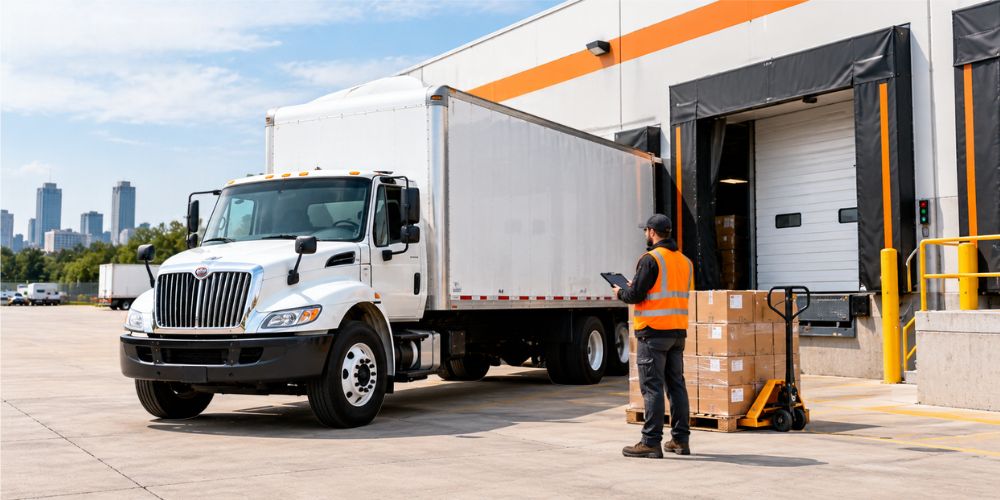
You don’t have to travel across the country to build a career with a CDL. Local driving jobs allow you to transport goods within a city or surrounding region.
Your responsibilities may include delivering products to warehouses, retail stores, distribution centers, construction sites, and manufacturing facilities.
Depending on the position, you may operate a straight truck or a tractor-trailer.
Local driving can be attractive if you want to spend more nights at home. However, schedules vary, and some positions involve early starts, multiple deliveries, physical work, or weekend shifts.
Best for you if: You prefer shorter routes and want to explore commercial driving jobs closer to home.
3. Dump Truck Driver
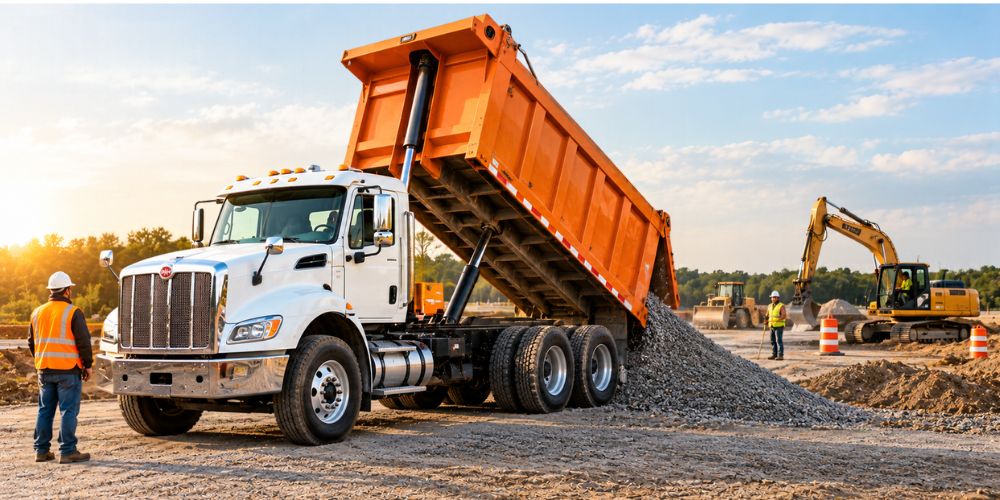
Dump truck drivers transport materials used in construction, roadwork, landscaping, and infrastructure projects.
Your loads may include:
- Sand and gravel
- Dirt and soil
- Crushed stone
- Asphalt
- Construction debris
CDL requirements depend on the vehicle’s weight rating and configuration. Many heavy dump trucks require a Class B CDL, while certain qualifying truck-and-trailer combinations may require a Class A CDL.
You may work for construction companies, road contractors, quarries, landscaping businesses, or material suppliers.
Best for you if: You enjoy construction-related work and prefer exploring local or regional driving opportunities.
4. Concrete Mixer Driver
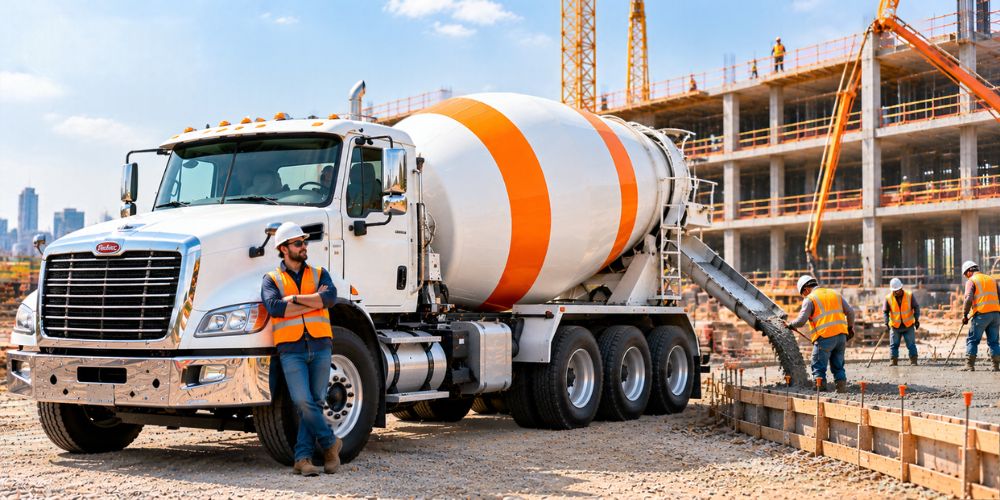
Concrete mixer drivers transport ready-mix concrete from production facilities to construction sites.
Unlike some freight jobs, concrete delivery requires careful coordination. You need to follow delivery schedules, navigate construction sites, inspect your vehicle, and communicate with contractors.
Depending on the truck’s classification, a Class B CDL may be appropriate.
Your work may support residential construction, commercial developments, road projects, and other building activities.
Best for you if: You want to combine commercial driving with hands-on work in the construction industry.
5. Construction Equipment Transport Driver
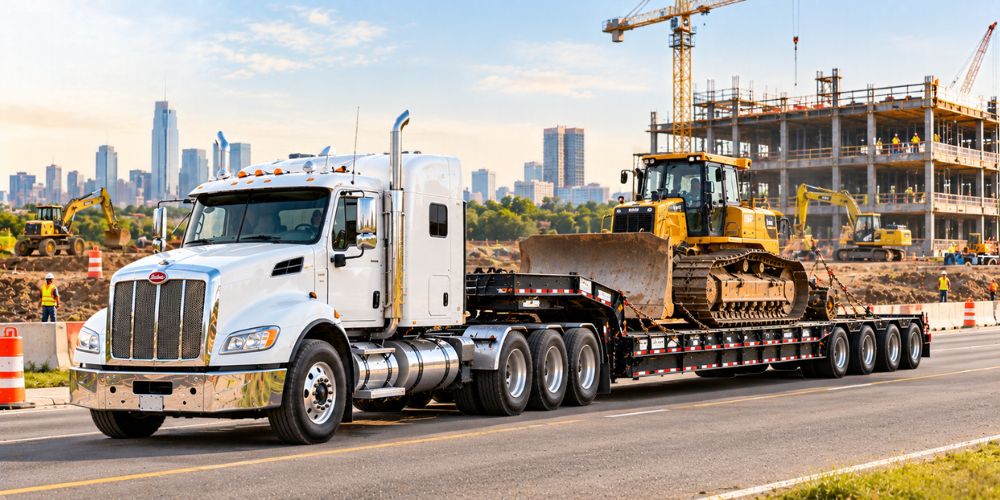
Construction companies frequently need drivers to move machinery, equipment, tools, and materials between job sites.
Depending on the vehicle and trailer, you may transport equipment such as excavators, loaders, compactors, or other heavy machinery.
Some jobs involve standard commercial trucks, while others require specialized trailers, additional training, or experience with oversized loads.
A CDL can help you qualify for certain equipment transportation positions, but the license alone does not authorize every type of heavy-haul operation.
Best for you if: You are interested in construction, heavy equipment, and specialized transportation.
6. Flatbed Truck Driver
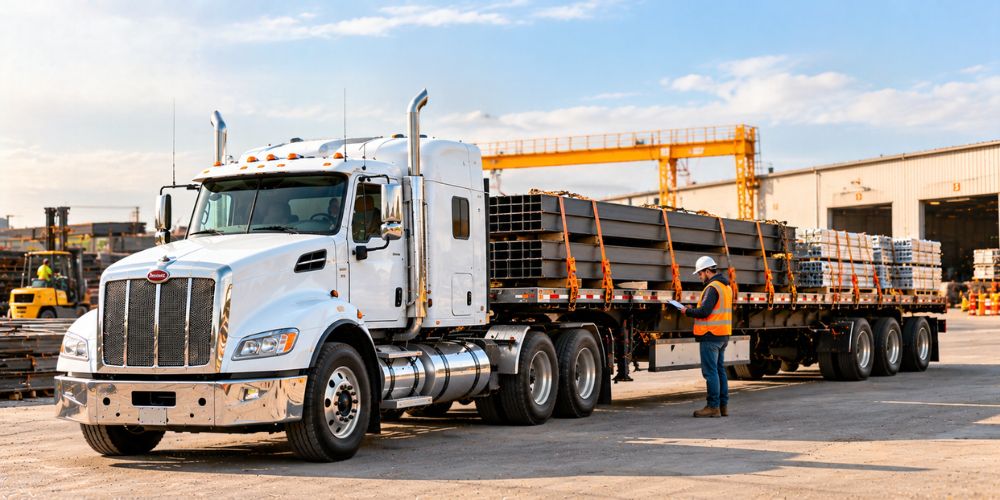
Flatbed drivers transport freight that may not fit conveniently inside an enclosed trailer.
Typical loads include steel, lumber, building materials, machinery, and industrial equipment.
Your responsibilities may include inspecting loads, securing cargo, checking straps and chains, and following applicable cargo-securement rules.
Many flatbed positions use tractor-trailers and require a Class A CDL. Employers may also provide or require additional securement training.
Best for you if: You enjoy specialized freight transportation and don’t mind the physical demands associated with loading and securing cargo.
7. Tanker Truck Driver
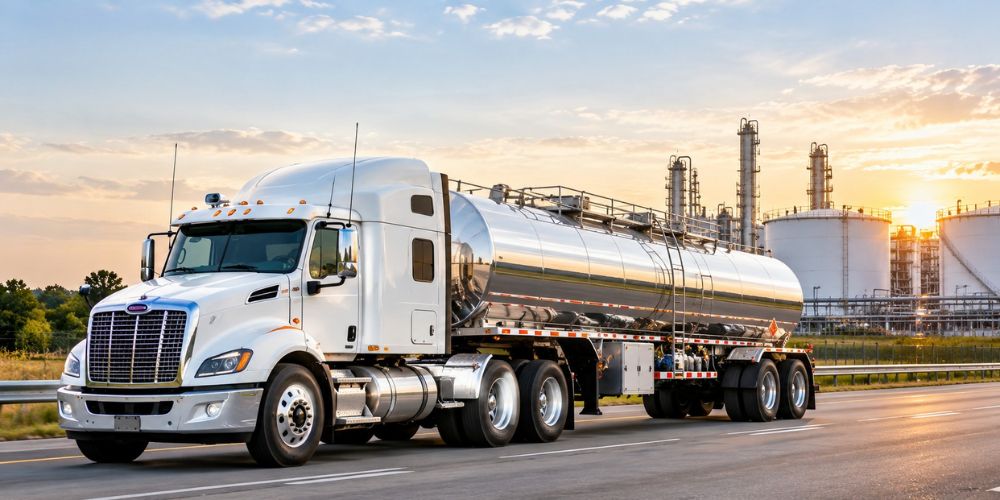
Tanker drivers transport liquids and certain other materials in specialized tank vehicles.
Depending on the employer, you might transport fuel, industrial liquids, agricultural products, or other materials.
The required qualifications depend on the vehicle and cargo. A tanker endorsement (N) may be required for qualifying tank vehicles. If the cargo is regulated as hazardous material, an H endorsement may also be necessary.
I recommend checking the exact endorsement requirements before applying for tanker positions because not every tanker job involves the same cargo or licensing conditions.
Best for you if: You want to explore specialized transportation and are comfortable following detailed safety procedures.
8. Hazardous Materials (Hazmat) Driver
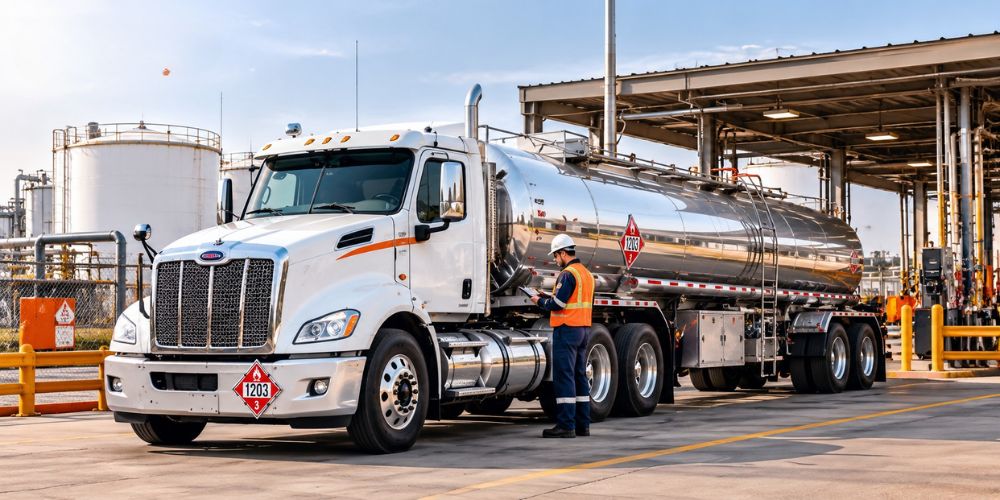
Hazmat drivers transport regulated hazardous materials that require special handling and transportation procedures.
Depending on the position, the cargo may include certain chemicals, fuels, industrial materials, or other regulated substances.
For applicable commercial vehicles, you may need an H endorsement, along with the required knowledge testing, security threat assessment, and other applicable qualifications.
Hazmat driving requires close attention to safety rules, documentation, cargo handling, and employer procedures.
Best for you if: You are detail-oriented and interested in specialized freight transportation.
9. Bus Driver
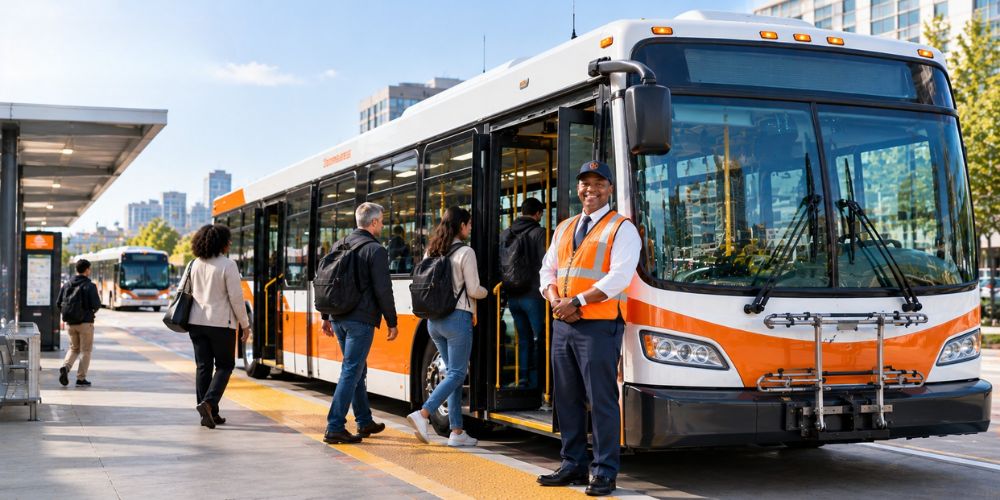
A CDL can also help you pursue passenger transportation careers.
Depending on the vehicle and job, opportunities may include:
- Transit bus driver
- Charter bus driver
- Motorcoach driver
- Shuttle driver
- Private transportation driver
The appropriate CDL class and passenger endorsement depend on the vehicle and the number of passengers it is designed to carry.
Some employers also require additional training, background checks, medical qualifications, or customer-service skills.
Best for you if: You enjoy working with people and want to explore transportation services beyond freight delivery.
10. School Bus Driver
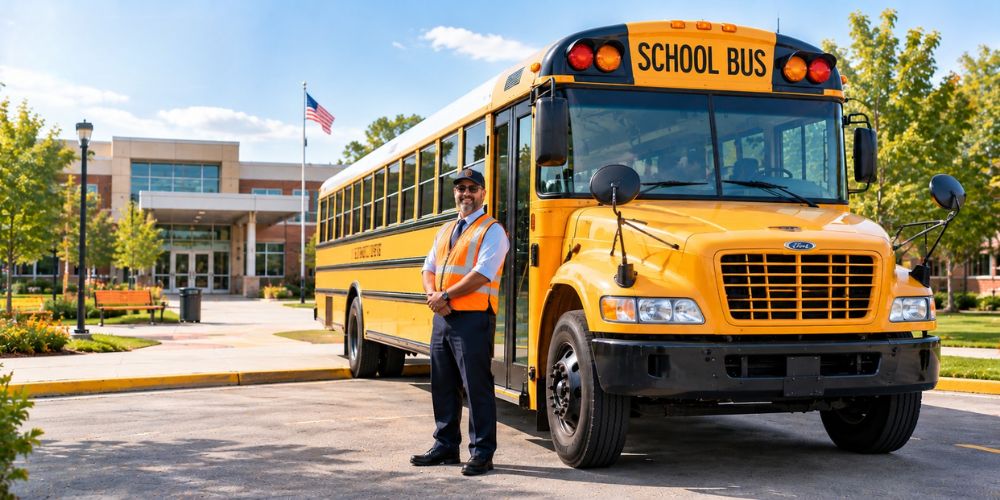
School bus driving is another option if you prefer local transportation and structured routes.
Your responsibilities may include transporting students safely, completing vehicle inspections, following assigned routes, and communicating with school personnel.
Depending on the vehicle, you may need the appropriate CDL class, a passenger (P) endorsement, and a school bus (S) endorsement. State and employer requirements also apply.
Although many school bus positions follow school schedules, working hours and additional duties vary by employer.
Best for you if: You want to explore community-focused transportation with a potentially predictable schedule.
11. Waste and Recycling Truck Driver
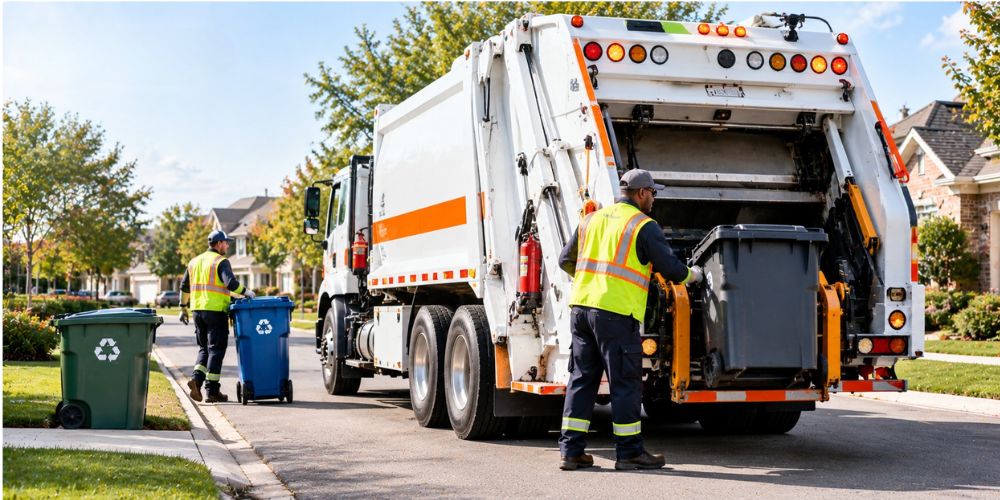
Waste management companies rely on commercial drivers to collect and transport garbage, recyclable materials, and construction waste.
Possible positions include:
- Garbage truck driver
- Recycling truck driver
- Roll-off truck driver
- Commercial waste vehicle operator
- Construction debris transport driver
Some positions involve frequent stops, operating specialized equipment, and working alongside collection crews.
The CDL class you need depends on the truck’s specifications and configuration.
Best for you if: You prefer local routes and are comfortable with physical work and operating specialized vehicles.
12. Utility and Infrastructure Driver
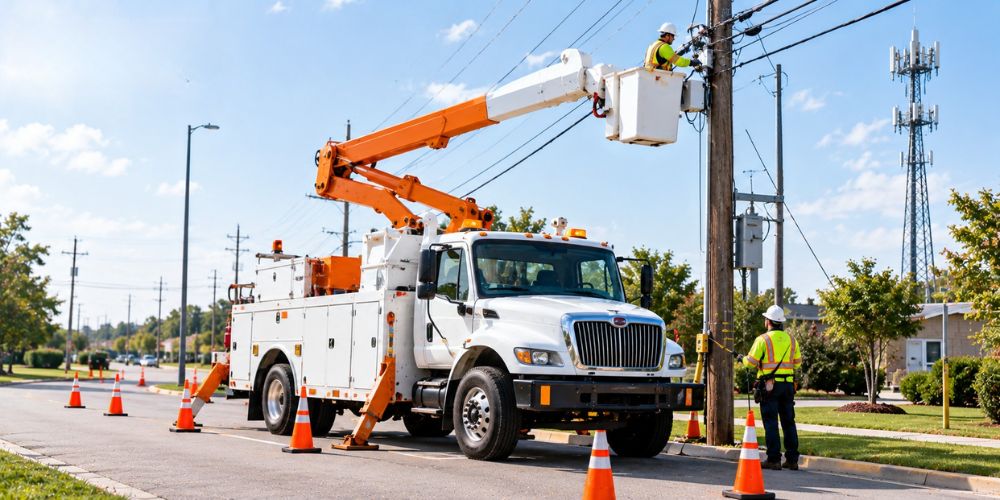
Utility and infrastructure companies use commercial vehicles to support electrical services, telecommunications, fiber installation, road maintenance, and construction projects.
You may transport equipment, materials, or work crews to different job sites. Certain positions involve bucket trucks, equipment trucks, or vehicles towing qualifying trailers.
A CDL may be required for some vehicles, but it does not automatically qualify you to perform technical trade work. Employers may require additional skills, certifications, or safety training.
Best for you if: You want to combine commercial driving with infrastructure, construction, or skilled trade work.
13. Heavy-Duty Tow Truck Driver
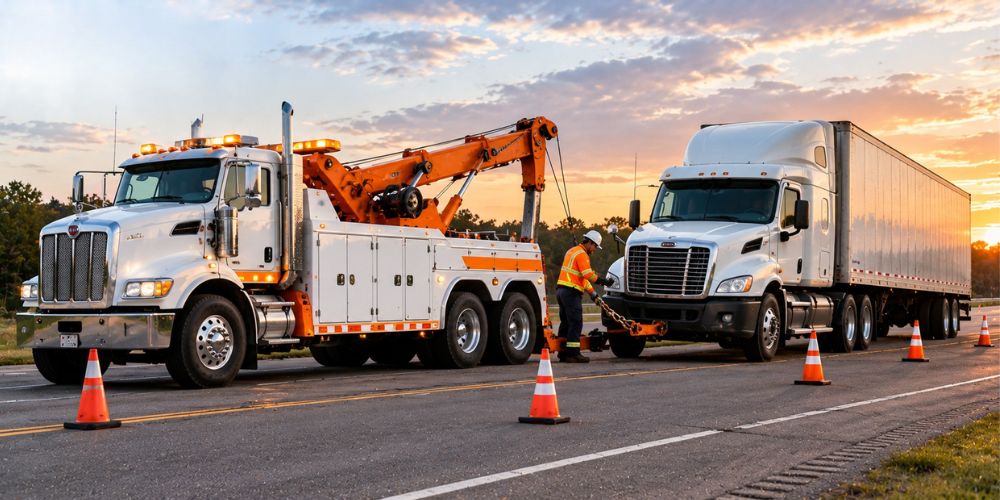
Heavy-duty towing and vehicle recovery can offer another career path for qualified commercial drivers.
You may assist with disabled commercial trucks, buses, large vehicles, and certain types of heavy equipment.
The work can involve roadside assistance, vehicle recovery, equipment operation, and coordination with repair facilities.
Licensing requirements vary according to the vehicle and operation. Employers may also require recovery training and experience with specialized towing equipment.
Best for you if: You enjoy hands-on problem-solving and working with heavy vehicles.
14. Oil, Gas, and Energy Transportation Driver
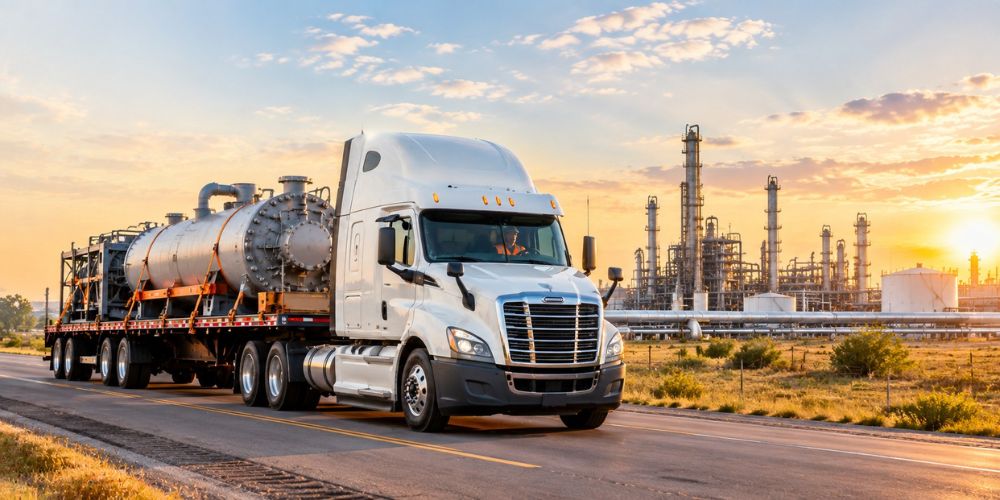
The energy industry relies on commercial transportation to move equipment, supplies, and materials to industrial facilities and remote job sites.
Depending on your qualifications, you may work in equipment transportation, supply delivery, or specialized freight operations.
Certain positions require additional endorsements, safety training, industry experience, or knowledge of site-specific procedures.
Pay, schedules, and working conditions can vary significantly between employers.
Best for you if: You are interested in industrial transportation and can meet the requirements of specialized work environments.
15. Specialized Freight Driver
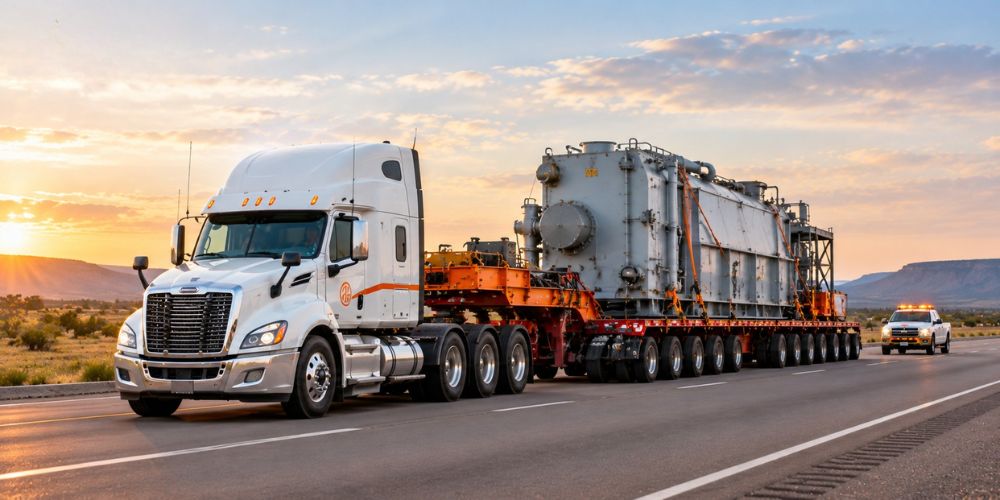
As you gain experience, you can explore more specialized commercial driving careers.
Examples include:
- Heavy-haul transportation
- Oversized load transportation
- Specialized equipment hauling
- Dedicated freight operations
- Industrial transportation
- Certain specialized trailer operations
These jobs may require additional permits, route planning, cargo-securement knowledge, experience, or specialized training.
A CDL can provide a starting point, but your actual qualifications and work history will influence which positions you can pursue.
Best for you if: You want to develop expertise in a particular area of commercial transportation.
What Can You Drive With a CDL?
Your CDL class determines the general categories of commercial vehicles you can operate. Endorsements and restrictions can further affect your driving privileges.
Here is a general comparison of the three CDL classes:
| CDL class | What you may qualify to drive |
|---|---|
| Class A | Qualifying combination vehicles, including many tractor-trailers |
| Class B | Qualifying heavy single vehicles, such as certain dump trucks, concrete mixers, and buses |
| Class C | Certain vehicles that do not fall under Class A or B but meet specific passenger or hazardous-material criteria |
The exact classification depends on vehicle weight ratings, configuration, intended use, and applicable federal and state rules.
What Can You Drive With a Class A CDL?
A Class A CDL generally covers qualifying combination vehicles with a gross combination weight rating (GCWR) of at least 26,001 pounds when the towed vehicle has a gross vehicle weight rating (GVWR) exceeding 10,000 pounds.
Depending on your qualifications, you may pursue jobs involving:
- Tractor-trailers
- Semi-trucks
- Qualifying truck-and-trailer combinations
- Flatbed combinations
- Certain heavy equipment transport combinations
- Specialized freight combinations
A Class A CDL can offer flexibility if you want to work with different combination vehicles. However, endorsements and license restrictions still apply.
What Can You Drive With a Class B CDL?
A Class B CDL generally covers a qualifying single vehicle with a GVWR of at least 26,001 pounds, as well as certain vehicles towing a trailer that does not exceed 10,000 pounds GVWR.
Potential jobs include operating qualifying:
- Dump trucks
- Concrete mixer trucks
- Straight trucks
- Certain buses
- Other qualifying heavy single vehicles
For example, if you want to operate a qualifying heavy dump truck without regularly driving a tractor-trailer, Class B training may align better with your career goals.
What Can You Drive With a Class A CDL That You Cannot Drive With a Class B CDL?
The main difference is the type of vehicle combination each class covers.
Class A generally allows you to operate qualifying heavy combination vehicles, including many tractor-trailers. Class B generally covers qualifying heavy single vehicles and certain smaller-trailer combinations.
You should choose based on the vehicles required for your target jobs, rather than assuming that one class is always better than the other.
What Can You Do With a CDL Permit?
A Commercial Learner’s Permit (CLP) allows you to practice operating qualifying commercial motor vehicles under applicable supervision and restrictions.
You can use your permit to develop skills such as:
- Pre-trip vehicle inspections
- Backing and maneuvering
- Safe turns and lane positioning
- Commercial vehicle control
- Preparation for the CDL skills test
In Texas, a first-time CDL applicant generally must hold a CLP for at least 14 days before taking the skills test. Applicable entry-level driver training requirements must also be completed.
A CLP is a training step, not a substitute for a full CDL. You must follow the supervision, vehicle, and other restrictions that apply to your permit.
Is CDL a Trade?
Yes, commercial driving can be considered a skilled trade or trade-related career.
To work safely as a commercial driver, you need practical driving skills, knowledge of vehicle inspections, an understanding of applicable regulations, and the ability to manage different road and traffic conditions.
Depending on your job, you may also need cargo-securement skills, specialized vehicle training, or additional endorsements.
If you want a skills-based career, a CDL may be worth considering. However, I recommend researching the daily responsibilities and working conditions of your preferred job before committing to training.
Do You Need a CDL for Every Truck Driving Job?
No. Not every truck or delivery vehicle requires a CDL.
Requirements depend on factors such as vehicle weight ratings, configuration, passenger capacity, hazardous materials, and applicable federal and state regulations.
For example, certain smaller delivery vehicles can be operated without a CDL, while qualifying heavy commercial vehicles require the appropriate license.
Before applying for a job or purchasing a vehicle for commercial use, check the licensing requirements for that specific vehicle and operation.
What Are the Best Jobs You Can Get With a CDL?
The best CDL job for you depends on your preferred schedule, work environment, interests, and qualifications.
| If you want… | Consider exploring… |
| To be home more often | Local CDL driving |
| Long-distance driving | OTR or regional trucking |
| Construction-related work | Dump truck or equipment transportation |
| Specialized freight | Tanker, flatbed, or heavy-haul driving |
| Passenger transportation | Bus driving |
| Infrastructure-related work | Utility and equipment transportation |
| More specialized opportunities | Endorsement-based or specialized driving jobs |
I recommend comparing actual job listings in your area. Look at required qualifications, schedules, physical demands, pay structure, and experience requirements before choosing your path.
How Much Can You Make With a CDL?
Your earning potential depends on the job you choose, your experience, location, employer, endorsements, route, and compensation structure.
According to the U.S. Bureau of Labor Statistics (BLS), the median annual wage for heavy and tractor-trailer truck drivers was $58,640 in May 2025. The highest-paid 10% earned more than $79,380 annually.
These figures apply to heavy and tractor-trailer truck drivers, not every occupation that requires a CDL. Your actual earnings may be higher or lower depending on the position.
Specialized driving, overtime, and certain routes can affect compensation, but higher pay is not guaranteed simply because you hold a CDL.
If you are comparing opportunities, review the full compensation package. Consider hourly pay or mileage rates, overtime eligibility, benefits, bonuses, and the costs you may need to cover yourself.
Source: U.S. Bureau of Labor Statistics: Heavy and Tractor-Trailer Truck Drivers.
How to Start a CDL Career in Texas
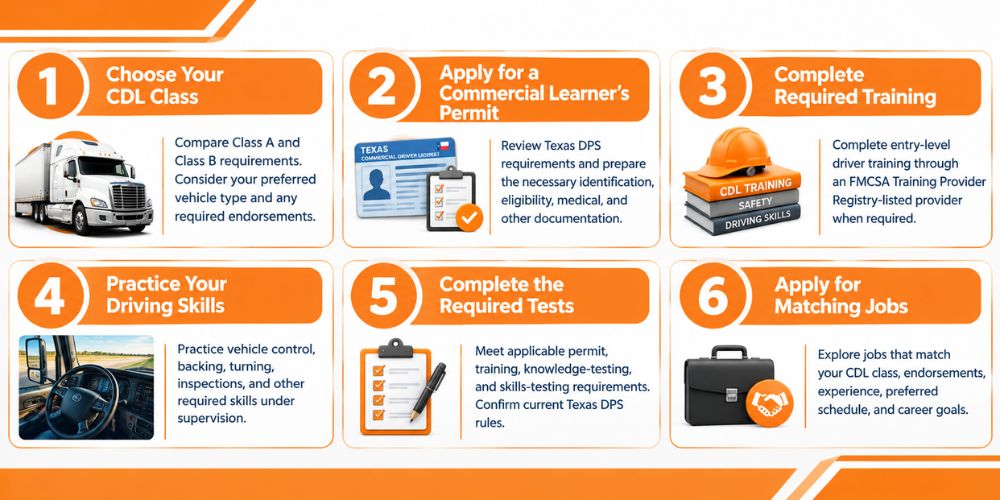
If you want to pursue a CDL career in Houston or elsewhere in Texas, start by identifying the type of vehicle and job you want to work toward.
Step 1: Choose Your CDL Class
Compare Class A and Class B requirements with the vehicles used in your preferred career. Check whether you may need additional endorsements.
Step 2: Apply for a Commercial Learner’s Permit
Review the Texas Department of Public Safety (DPS) requirements and gather the necessary identification, eligibility, medical, and other documentation.
Step 3: Complete Required Training
If your application requires entry-level driver training, complete it through a provider listed on the FMCSA Training Provider Registry.
Training requirements vary depending on whether you are obtaining a Class A or Class B CDL, upgrading a license, or applying for certain endorsements.
Step 4: Practice Your Driving Skills
Use your supervised training to learn vehicle control, backing, turning, inspections, and other skills required for the applicable CDL class.
Step 5: Complete the Required Tests
Meet the applicable permit, training, knowledge-testing, and skills-testing requirements. Confirm current Texas DPS rules before scheduling your examination.
Step 6: Apply for Jobs That Match Your Qualifications
Once you earn the appropriate CDL and endorsements, look for jobs that match your experience, preferred schedule, and career goals.
You can review official requirements on the Texas DPS Commercial Driver License application page.
Frequently Asked Questions About CDL Jobs
Is a CDL Worth Getting in 2026?
A CDL may be worth getting if you want to pursue commercial transportation, construction-related driving, passenger transportation, or specialized freight.
The BLS projects 4% employment growth for heavy and tractor-trailer truck drivers from 2025 to 2035, with approximately 214,500 openings per year on average. These openings include positions created when workers leave the occupation, so they do not represent guaranteed new jobs.
Consider the training requirements, working conditions, and opportunities available in your area before making a decision.
What Is the Highest-Paying CDL Job?
There is no single highest-paying CDL job for every driver. Specialized transportation, heavy-haul work, certain tanker or hazmat positions, and some owner-operator opportunities may offer higher earning potential.
However, compensation varies by employer, experience, location, cargo, and operating expenses. Owner-operator revenue is not the same as take-home income.
How Can You Make More Money With a CDL?
You can work toward higher-paying opportunities by building a safe driving record, gaining experience, obtaining relevant endorsements, and researching specialized driving careers.
Compare total compensation rather than focusing only on advertised pay. For owner-operators, fuel, insurance, maintenance, taxes, equipment, and downtime can significantly affect profitability.
Can You Become a Millionaire as a Truck Driver?
It is possible for a truck driver or trucking business owner to build substantial wealth, but a CDL does not guarantee financial success.
Your long-term financial results depend on earnings, expenses, savings, investments, business decisions, and time. If you consider operating your own truck, research the costs and risks carefully before investing.
What Are the Downsides of Having a CDL?
Depending on the job, commercial driving can involve long hours, irregular schedules, physical demands, traffic, challenging weather, time away from home, and strict safety responsibilities.
Some local jobs provide more predictable home schedules, while certain specialized positions involve additional training and responsibility.
I recommend choosing a job that fits your lifestyle, not just one that advertises a high salary.
What Is the New CDL Rule in 2026?
A significant federal regulatory change concerns eligibility for non-domiciled Commercial Learner’s Permits and Commercial Driver’s Licenses.
The Federal Motor Carrier Safety Administration (FMCSA) published a final rule effective March 16, 2026, limiting eligibility for non-domiciled commercial credentials to qualifying individuals with specific, verifiable employment-based nonimmigrant statuses.
This rule concerns non-domiciled CLPs and CDLs. It should not be confused with a blanket change to the standard CDL requirements for all U.S. drivers.
Because licensing and eligibility requirements can change, check the official FMCSA rule and your state licensing agency for current guidance.
Start Your CDL Journey With Zenith Institute of Logistics
If you are looking for a CDL school in Houston, Texas, Zenith Institute of Logistics is an option to explore as you plan your commercial driving career.
Before enrolling, I recommend checking the available Class A and Class B training programs, course requirements, practical driving instruction, fees, and current training-provider status. Choose a program that aligns with your intended career and licensing requirements.
Whether you want to become a tractor-trailer driver, pursue local commercial driving, or explore construction transportation, the right training can help you prepare for your next step.
Your CDL Can Open More Than One Career Path
A CDL can help you explore opportunities in trucking, construction, delivery, passenger transportation, waste management, utilities, and specialized freight.
The right career depends on what you want from your work and which qualifications you are prepared to earn.
If you are ready to take the next step, contact Zenith Institute of Logistics to learn about its available CDL training options in Houston, Texas, and determine which program fits your career goals.
Recommended Posts
Can You Get a CDL With a DUI or DWI? Eligibility Guide
June 11, 2026